OmicSpace IIS LaFe

OmicSpace presented at the 4th HealthTech Observer Conference as a federated data space for biomedical research

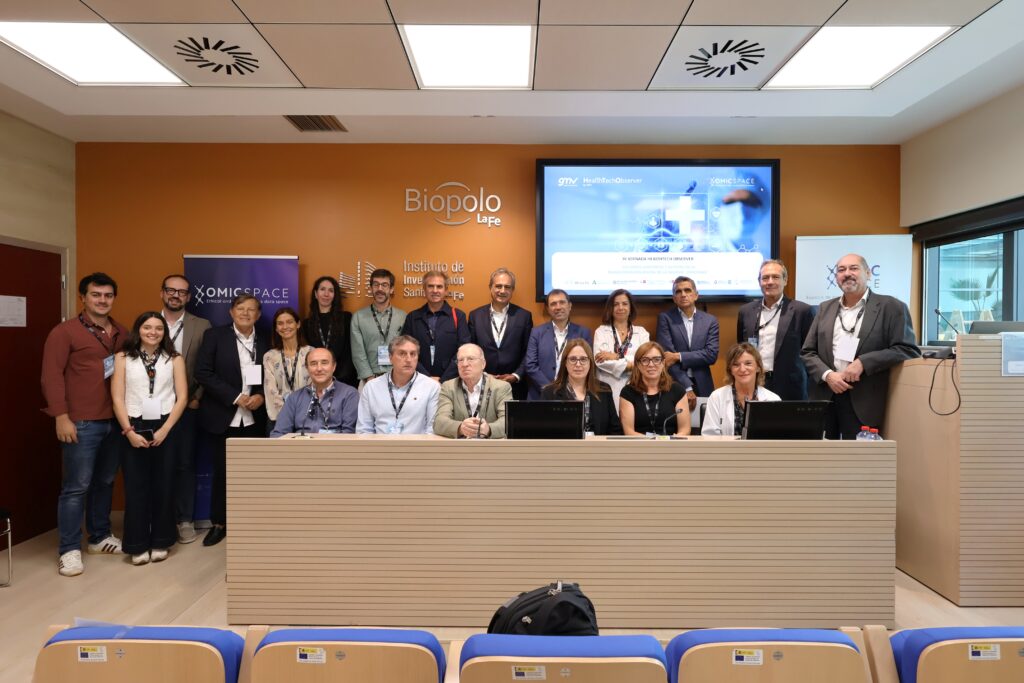
The OmicSpace project, led by the La Fe Health Research Institute (IIS La Fe), was presented at the 4th HealthTech Observer (HTO) Conference, held under the theme “Health data and its role in the digital transformation of healthcare: OmicSpace.” OmicSpace took center stage as an initiative promoting a federated data space that connects eight strategic nodes across seven Spanish regions and one European node.

OmicSpace enables the publication of interoperable data catalogs aligned with European standards, which can be used in translational research studies. The connection between the different nodes is achieved through Utile, a Privacy-Enhancing Technology (PET) successfully validated within the framework of the national Tartaglia project, completed in December 2023.

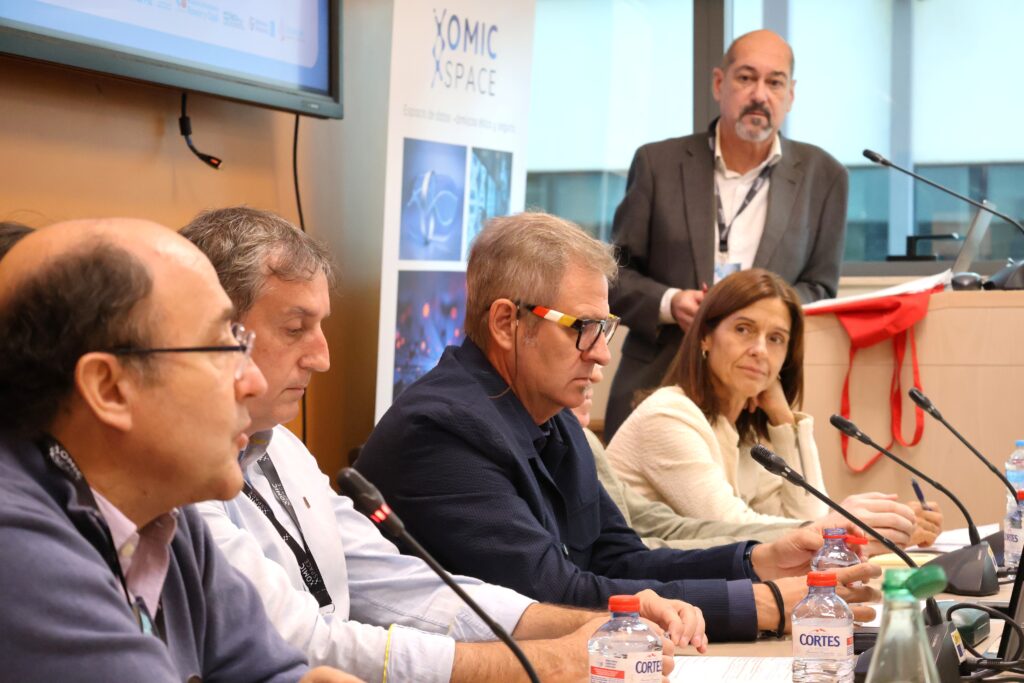
During the opening session of the 4th HealthTech Observer Conference, where the project was presented, María José Carrión, Managing Director of IIS La Fe, emphasized that “OmicSpace is an institutional project born with the purpose of transforming biomedical research and improving the lives of patients and professionals.”

Meanwhile, Dr. José Luis Poveda, Manager of the Valencia South Interdepartmental Health Group and La Fe Hospital, stated that “this program positions La Fe at the forefront of innovation and turns our hospital into a beacon for Europe, as it paves the way from an era of fragmented and isolated data toward one in which knowledge is shared responsibly, rigorously, and ethically.”

The event brought together institutional leaders and digital health experts at IIS La Fe to discuss the strategic role of health data in the digital transformation of healthcare systems. The keynote lecture was delivered by María José Tarazón, Deputy Director General for Health Information and Communication Technologies at the Valencian Ministry of Health, who presented the Digital Health Strategy of the Valencian Community. This strategy includes the supervised use of artificial intelligence for diagnostics and decision-making, as well as the standardization of healthcare processes.

“This is a cultural transformation, not just a technological one,” noted Tarazón, explaining that the strategy has a budget of €235 million for the period 2024–2027. It is structured around seven strategic pillars and 17 initiatives, covering areas such as digital services, a unified electronic health record, infrastructure improvements, technology governance, and the creation of a Cybersecurity Office.

Breaking down information silos

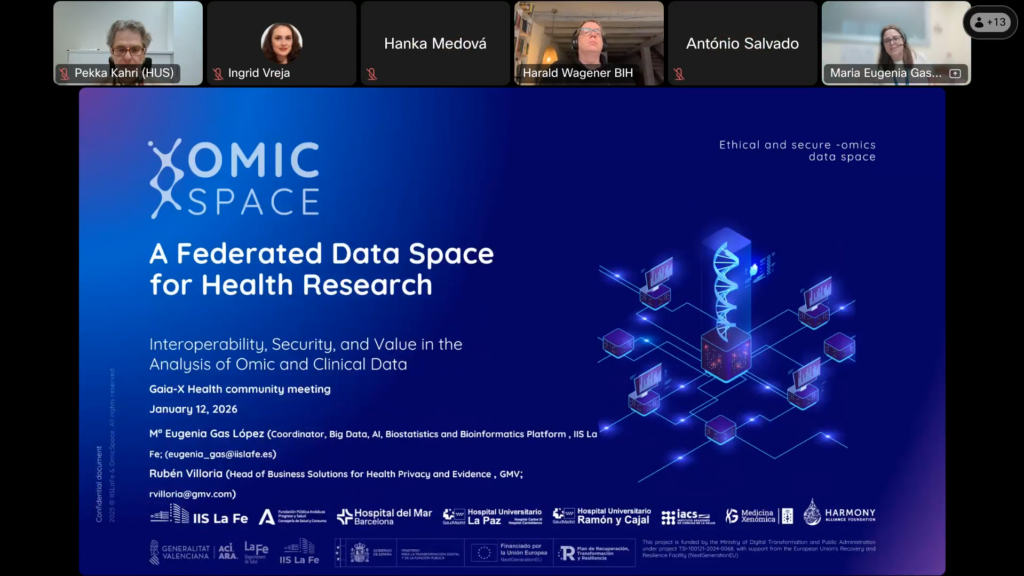
María Eugenia Gas, researcher and OmicSpace coordinator at IIS La Fe, highlighted that OmicSpace is “a strategic initiative to position Spain as a leader in advanced health data management, following the FAIR principles (Findable, Accessible, Interoperable, Reusable).” Supported by the Valencian Ministry of Health, the project connects eight strategic nodes across seven autonomous communities and one European node.

OmicSpace is funded by European funds through the Recovery, Transformation and Resilience Plan, and was one of the key focal points of the event, which also explored crucial topics such as drivers and barriers to progress in digital health, the use of clinical and omics data to advance personalized medicine, and the challenges of sustainability and collaboration within data networks.

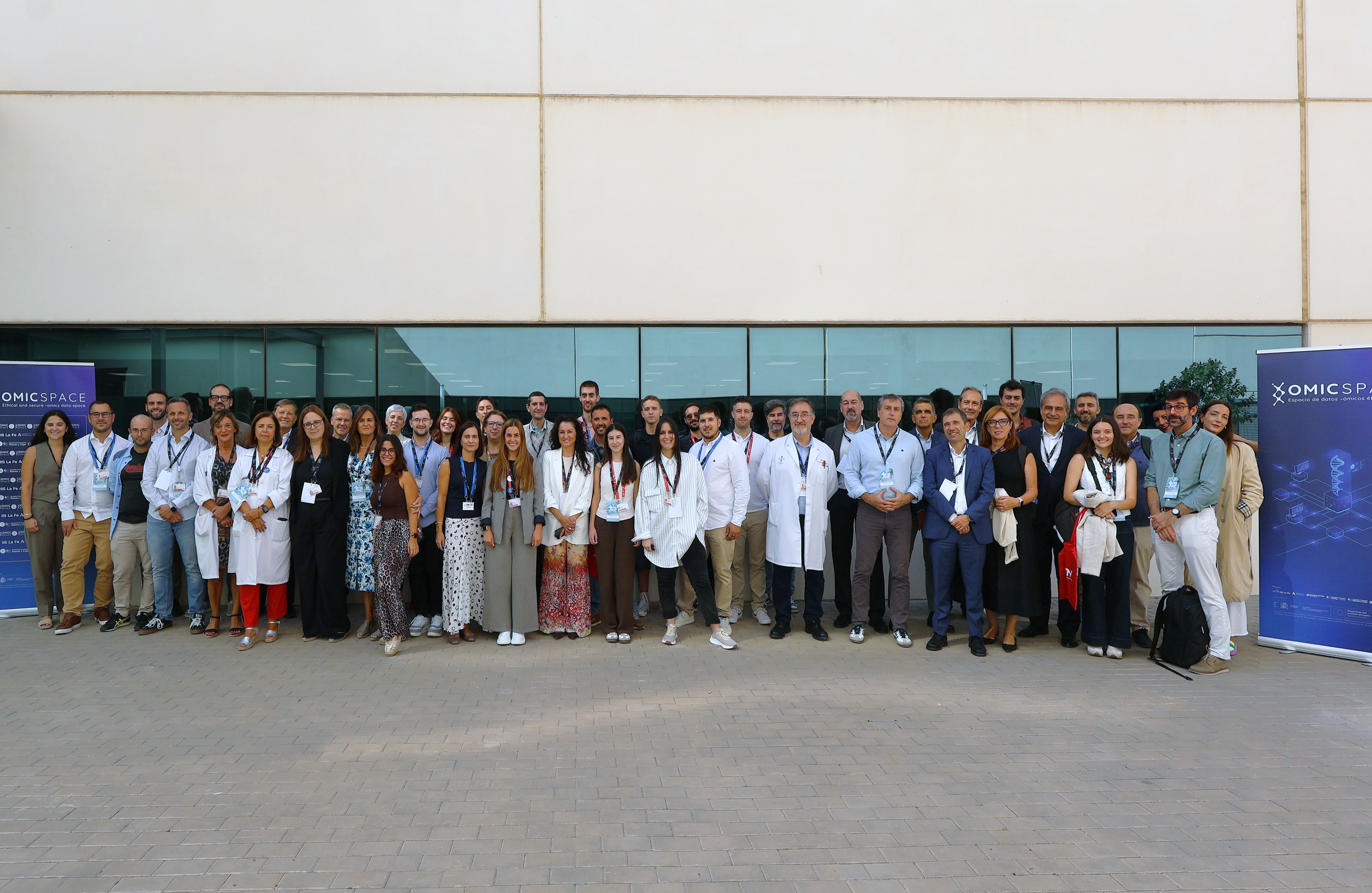
The conference featured participation from representatives of regional health services, biomedical research institutes, and the Ministry for Digital Transformation.

María José Carrión, Managing Director of IIS La Fe, emphasized that “OmicSpace is an institutional project born with the purpose of transforming biomedical research and improving the lives of patients and professionals.”

OmicSpace presented at the 4th HealthTech Observer Conference as a federated data space for biomedical research

The OmicSpace project, led by the La Fe Health Research Institute (IIS La Fe), was presented at the 4th HealthTech Observer (HTO) Conference, held under the theme “Health data and its role in the digital transformation of healthcare: OmicSpace.” 

OmicSpace took center stage as an initiative promoting a federated data space that connects eight strategic nodes across seven Spanish regions and one European node.

OmicSpace enables the publication of interoperable data catalogs aligned with European standards, which can be used in translational research studies. The connection between the different nodes is achieved through Utile, a Privacy-Enhancing Technology (PET) successfully validated within the framework of the national Tartaglia project, completed in December 2023.

During the opening session of the 4th HealthTech Observer Conference, where the project was presented, María José Carrión, Managing Director of IIS La Fe, emphasized that “OmicSpace is an institutional project born with the purpose of transforming biomedical research and improving the lives of patients and professionals.”

Meanwhile, Dr. José Luis Poveda, Manager of the Valencia South Interdepartmental Health Group and La Fe Hospital, stated that “this program positions La Fe at the forefront of innovation and turns our hospital into a beacon for Europe, as it paves the way from an era of fragmented and isolated data toward one in which knowledge is shared responsibly, rigorously, and ethically.”

The event brought together institutional leaders and digital health experts at IIS La Fe to discuss the strategic role of health data in the digital transformation of healthcare systems. The keynote lecture was delivered by María José Tarazón, Deputy Director General for Health Information and Communication Technologies at the Valencian Ministry of Health, who presented the Digital Health Strategy of the Valencian Community. This strategy includes the supervised use of artificial intelligence for diagnostics and decision-making, as well as the standardization of healthcare processes.

“This is a cultural transformation, not just a technological one,” noted Tarazón, explaining that the strategy has a budget of €235 million for the period 2024–2027. It is structured around seven strategic pillars and 17 initiatives, covering areas such as digital services, a unified electronic health record, infrastructure improvements, technology governance, and the creation of a Cybersecurity Office.

Breaking down information silos

María Eugenia Gas, researcher and OmicSpace coordinator at IIS La Fe, highlighted that OmicSpace is “a strategic initiative to position Spain as a leader in advanced health data management, following the FAIR principles (Findable, Accessible, Interoperable, Reusable).” Supported by the Valencian Ministry of Health, the project connects eight strategic nodes across seven autonomous communities and one European node.

OmicSpace is funded by European funds through the Recovery, Transformation and Resilience Plan, and was one of the key focal points of the event, which also explored crucial topics such as drivers and barriers to progress in digital health, the use of clinical and omics data to advance personalized medicine, and the challenges of sustainability and collaboration within data networks.

The conference featured participation from representatives of regional health services, biomedical research institutes, and the Ministry for Digital Transformation.

OmicSpace presented at the 4th HealthTech Observer Conference as a federated data space for biomedical research

The OmicSpace project, led by the La Fe Health Research Institute (IIS La Fe), was presented at the 4th HealthTech Observer (HTO) Conference, held under the theme “Health data and its role in the digital transformation of healthcare: OmicSpace.” 

OmicSpace took center stage as an initiative promoting a federated data space that connects eight strategic nodes across seven Spanish regions and one European node.

OmicSpace enables the publication of interoperable data catalogs aligned with European standards, which can be used in translational research studies. The connection between the different nodes is achieved through Utile, a Privacy-Enhancing Technology (PET) successfully validated within the framework of the national Tartaglia project, completed in December 2023.

During the opening session of the 4th HealthTech Observer Conference, where the project was presented, María José Carrión, Managing Director of IIS La Fe, emphasized that “OmicSpace is an institutional project born with the purpose of transforming biomedical research and improving the lives of patients and professionals.”

Meanwhile, Dr. José Luis Poveda, Manager of the Valencia South Interdepartmental Health Group and La Fe Hospital, stated that “this program positions La Fe at the forefront of innovation and turns our hospital into a beacon for Europe, as it paves the way from an era of fragmented and isolated data toward one in which knowledge is shared responsibly, rigorously, and ethically.”

The event brought together institutional leaders and digital health experts at IIS La Fe to discuss the strategic role of health data in the digital transformation of healthcare systems. The keynote lecture was delivered by María José Tarazón, Deputy Director General for Health Information and Communication Technologies at the Valencian Ministry of Health, who presented the Digital Health Strategy of the Valencian Community. This strategy includes the supervised use of artificial intelligence for diagnostics and decision-making, as well as the standardization of healthcare processes.

Breaking down information silos

María Eugenia Gas, researcher and OmicSpace coordinator at IIS La Fe, highlighted that OmicSpace is “a strategic initiative to position Spain as a leader in advanced health data management, following the FAIR principles (Findable, Accessible, Interoperable, Reusable).” Supported by the Valencian Ministry of Health, the project connects eight strategic nodes across seven autonomous communities and one European node.

OmicSpace is funded by European funds through the Recovery, Transformation and Resilience Plan, and was one of the key focal points of the event, which also explored crucial topics such as drivers and barriers to progress in digital health, the use of clinical and omics data to advance personalized medicine, and the challenges of sustainability and collaboration within data networks.

The conference featured participation from representatives of regional health services, biomedical research institutes, and the Ministry for Digital Transformation.